Nationalism Movements: Impact on the Hospitality Industry
Category : | Sub Category : Posted on 2025-11-03 22:25:23
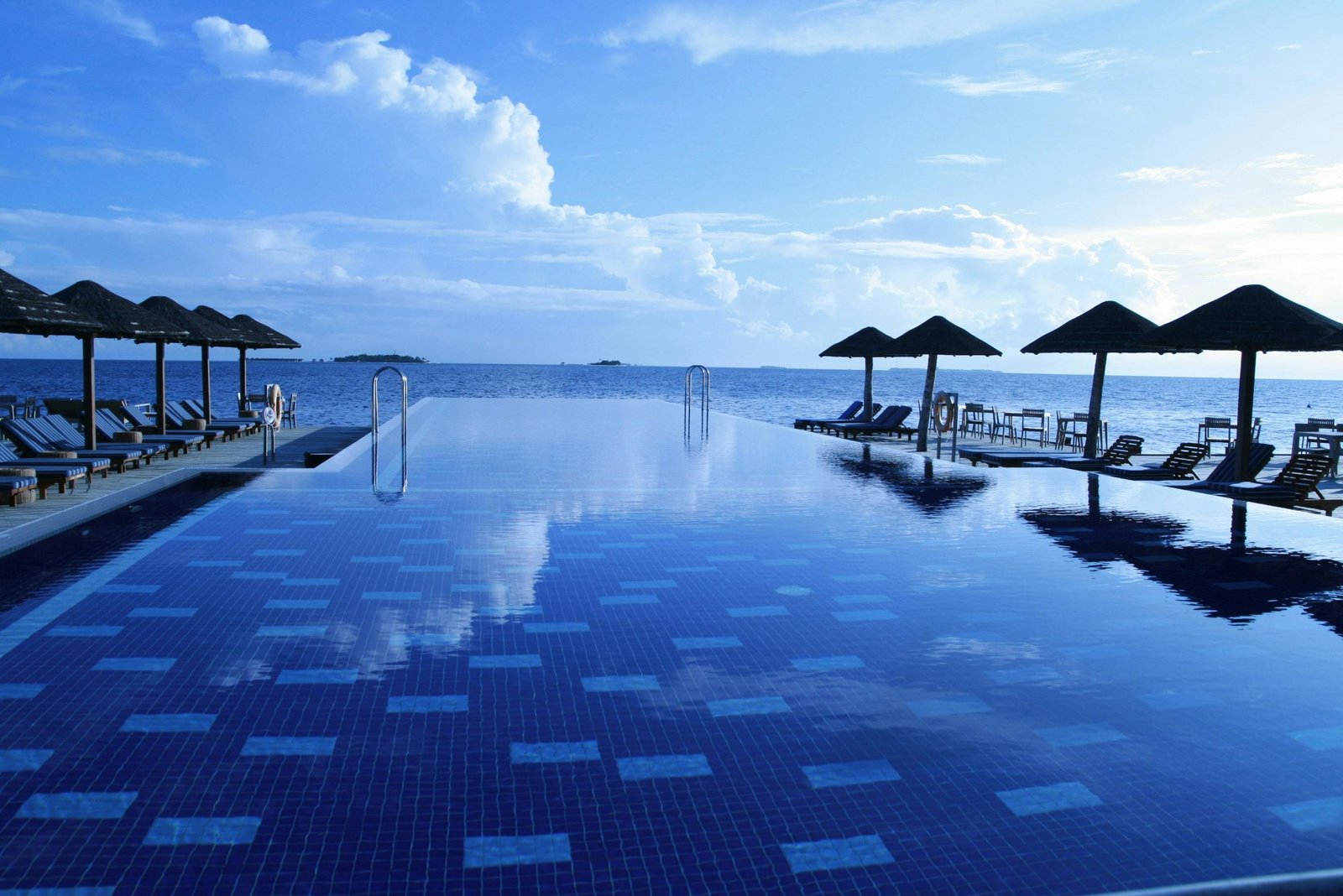
In recent years, nationalism movements have been on the rise across the globe, with countries asserting their unique identities and emphasizing national pride. These movements have had a significant impact on various sectors, including the hospitality industry. Hotels, in particular, have had to navigate the complex landscape of nationalism and its influence on travel and tourism. One of the ways in which nationalism movements have affected hotels is through changes in travel patterns. As countries promote their national identities and prioritize domestic tourism, international travel may be perceived as less desirable or even discouraged. This shift can lead to a decline in foreign visitors to a country, affecting the occupancy rates of hotels that rely heavily on international tourism. Additionally, nationalism movements can also influence consumer preferences when it comes to choosing accommodation. Some travelers may actively seek out hotels that align with their national identity or values, leading to a rise in demand for hotels that promote local culture and traditions. This can present both opportunities and challenges for hoteliers, as they must find the right balance between catering to nationalistic sentiments and maintaining a welcoming environment for guests from diverse backgrounds. On the other hand, hotels that are perceived as too international or detached from the local culture may face backlash from nationalist groups or individuals. This could manifest in the form of boycotts, negative reviews, or even acts of vandalism. To mitigate these risks, hotel managers must be aware of the political and social dynamics at play in the regions where they operate and adapt their marketing strategies and service offerings accordingly. Despite the challenges that nationalism movements pose to the hospitality industry, there are also opportunities for hotels to leverage these trends to their advantage. By emphasizing their connections to the local community, hotels can appeal to patriotic travelers and differentiate themselves in a competitive market. Collaborating with local artists, craftsmen, and culinary experts can also help hotels create unique experiences that celebrate the rich cultural heritage of the destination. In conclusion, nationalism movements have a profound impact on the hospitality industry, shaping travel patterns, consumer preferences, and competitive dynamics. Hotels that are able to adapt to these changing dynamics and embrace the opportunities presented by nationalistic sentiments stand to thrive in an evolving global landscape. By understanding the complexities of nationalism and its influence on travel and tourism, hoteliers can position their properties as welcoming and authentic destinations for travelers from all walks of life.
Leave a Comment:
SEARCH
Recent News
- Zurich, Switzerland is a charming city known for its stunning architecture, picturesque landscapes, and vibrant culture. It is a popular destination for tourists from all over the world, offering a mix of historical sites, modern amenities, and breathtaking natural beauty. One of the must-visit places in Zurich is the old town, where you can stroll through narrow cobblestone streets lined with shops, cafes, and historic buildings.
- Zurich, Switzerland, and Sydney, Australia, are two popular travel destinations known for their unique charm and vibrant atmospheres. Travelers looking to explore these cities often seek comfortable accommodation options to enhance their stay. In this article, we will guide you through some top hotels in Sydney to consider for your next visit, and also delve into the beautiful city of Zurich and highlight some of its charming hotels.
- When it comes to content creation on YouTube, there are endless possibilities to explore. One interesting niche that creators can delve into is showcasing Tunisian hotels. Tunisia is known for its beautiful landscapes, rich history, and vibrant culture, making it an attractive destination for tourists from around the world.
- Are you interested in learning about YouTube content creation and translation in the context of Sydney hotels? I'm here to guide you through the process of producing engaging YouTube videos focusing on Sydney hotels and how to effectively translate your content to reach a wider audience.
- Tunisia is a beautiful country with stunning beaches, rich culture, and a colorful history. Tunisian hotels play a crucial role in the country's tourism industry, offering visitors a comfortable and luxurious stay during their vacation.
- Planning a trip to Sydney and looking for the best hotels to stay in? Look no further! In this blog post, we will introduce you to some of the top Sydney hotels that you can explore and consider for your stay.
- Tunisia is a beautiful North African country known for its rich history, stunning beaches, and vibrant culture. With its diverse landscapes ranging from the Sahara Desert to the Mediterranean Sea, Tunisia is a popular destination for tourists from all over the world. One major event that put Tunisia on the map in the sports world was when it hosted the FIFA World Cup in 1978.
- The World Cup is an exciting event that draws fans from all over the globe to experience the thrill of watching their favorite teams compete on the world stage. And when it comes to attending matches in Sydney, finding the perfect hotel is key to making the most of your World Cup experience.
READ MORE
10 months ago Category :

Zurich, Switzerland is a charming city known for its stunning architecture, picturesque landscapes, and vibrant culture. It is a popular destination for tourists from all over the world, offering a mix of historical sites, modern amenities, and breathtaking natural beauty. One of the must-visit places in Zurich is the old town, where you can stroll through narrow cobblestone streets lined with shops, cafes, and historic buildings.
Read More →10 months ago Category :

Zurich, Switzerland, and Sydney, Australia, are two popular travel destinations known for their unique charm and vibrant atmospheres. Travelers looking to explore these cities often seek comfortable accommodation options to enhance their stay. In this article, we will guide you through some top hotels in Sydney to consider for your next visit, and also delve into the beautiful city of Zurich and highlight some of its charming hotels.
Read More →10 months ago Category :

When it comes to content creation on YouTube, there are endless possibilities to explore. One interesting niche that creators can delve into is showcasing Tunisian hotels. Tunisia is known for its beautiful landscapes, rich history, and vibrant culture, making it an attractive destination for tourists from around the world.
Read More →10 months ago Category :
